Collin County logged 24 hail days in four recent years, with stones to three inches. That single fact reframes the metal-versus-shingle question for Frisco: you are not choosing a look, you are choosing how a roof absorbs a recurring local event. Run properly, the comparison has three lanes, because the shingle side splits into standard and impact-rated.
How each option takes a hail hit
Standard architectural shingle takes hail on an asphalt mat under a granule surface. Stones around an inch begin fracturing the mat, the fracture sheds granules over the following months, and the leak arrives a season or two later. The damage is real on day one and invisible from the yard.
Class 4 impact-rated shingle is the same look with a reinforced build that passes the top tier of the standardized steel-ball drop test. It is not hail-proof; it moves the fracture threshold meaningfully higher, which in a county with this ledger means surviving events that total standard fields.
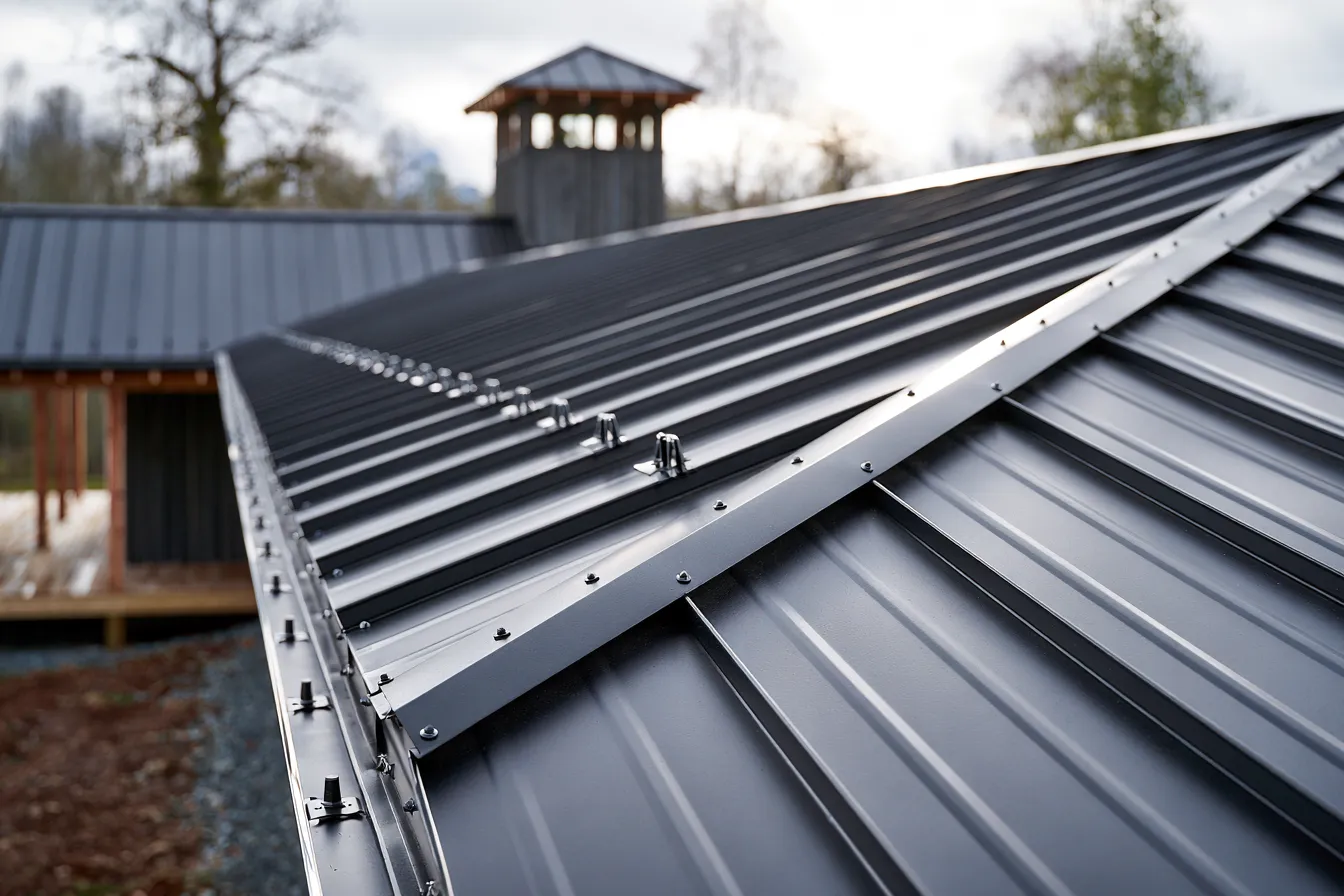
Standing-seam steel takes hail as dents. Large stones can leave cosmetic marks, but the panel very rarely opens or leaks, and the system underneath stays sealed. The trade is aesthetic tolerance for functional immunity, and on most events the dents do not happen either.
The Texas heat variable
Hail gets the headlines; heat does the quiet damage. Asphalt ages fastest on under-vented attics, where summer temperatures cook the mat from below, which is why balanced ridge and soffit ventilation belongs in any shingle scope here. Steel reflects more of the load and rides expansion on concealed clips designed for exactly this climate.
Neither material excuses a bad attic. Ventilation is a system requirement in both scopes, and most shingle manufacturers condition their coverage on it.
The lifecycle math, in Frisco terms
On researched Collin County ranges, standing seam runs roughly double the up-front cost of architectural shingle for the same house. The payback arguments are time and events: steel commonly runs past forty years while asphalt runs 25 to 30 by design, and every hail date on the ledger is a possible early retirement for an asphalt field.
The middle lane matters most for most buyers: Class 4 shingle costs a measured step above standard, not a multiple, and some Texas insurers credit it on premiums. For owners staying five to fifteen years, that tier usually wins the spreadsheet. For owners buying their last roof, steel starts to justify its multiple.
Choosing on your own numbers
The comparison only settles on your actual roof: its squares, its pitch, its exposure, your hold period, and your insurer's rules. An itemized estimate that prices two or three lanes side by side turns the decision into arithmetic; the shingle guide and metal page carry the deeper spec detail.
Still weighing it? Reach out and have both figures written for your address, which is the only version of this comparison that ends in a decision.