
Storm Damage Roof Repair in Frisco, TX
Golf-ball hail fell inside Frisco in March 2024; the county has logged 24 hail days in four years. After a storm the job is evidence: strike counts per test square, photographs of every slope, then a decision made calmly.
Storm figures: NOAA / NCEI Storm Events Database, Collin County, on the record.
Evidence first, decisions second.
Hail damage rarely announces itself. The granule surface can read normal from the yard while the mat beneath carries fractures that open into leaks a season or two later, which is why storm damage gets measured instead of eyeballed.
The method is borrowed from the adjusters themselves: marked test squares, strike counts per square, photographs slope by slope, and collateral evidence like dented vents and gutters logged alongside. You end up holding a record, and a record is what turns an insurance conversation from an argument into a review. Your roofer can walk the adjuster meeting with you so the two inspections see the same roof. The full county history sits on the storm record page.
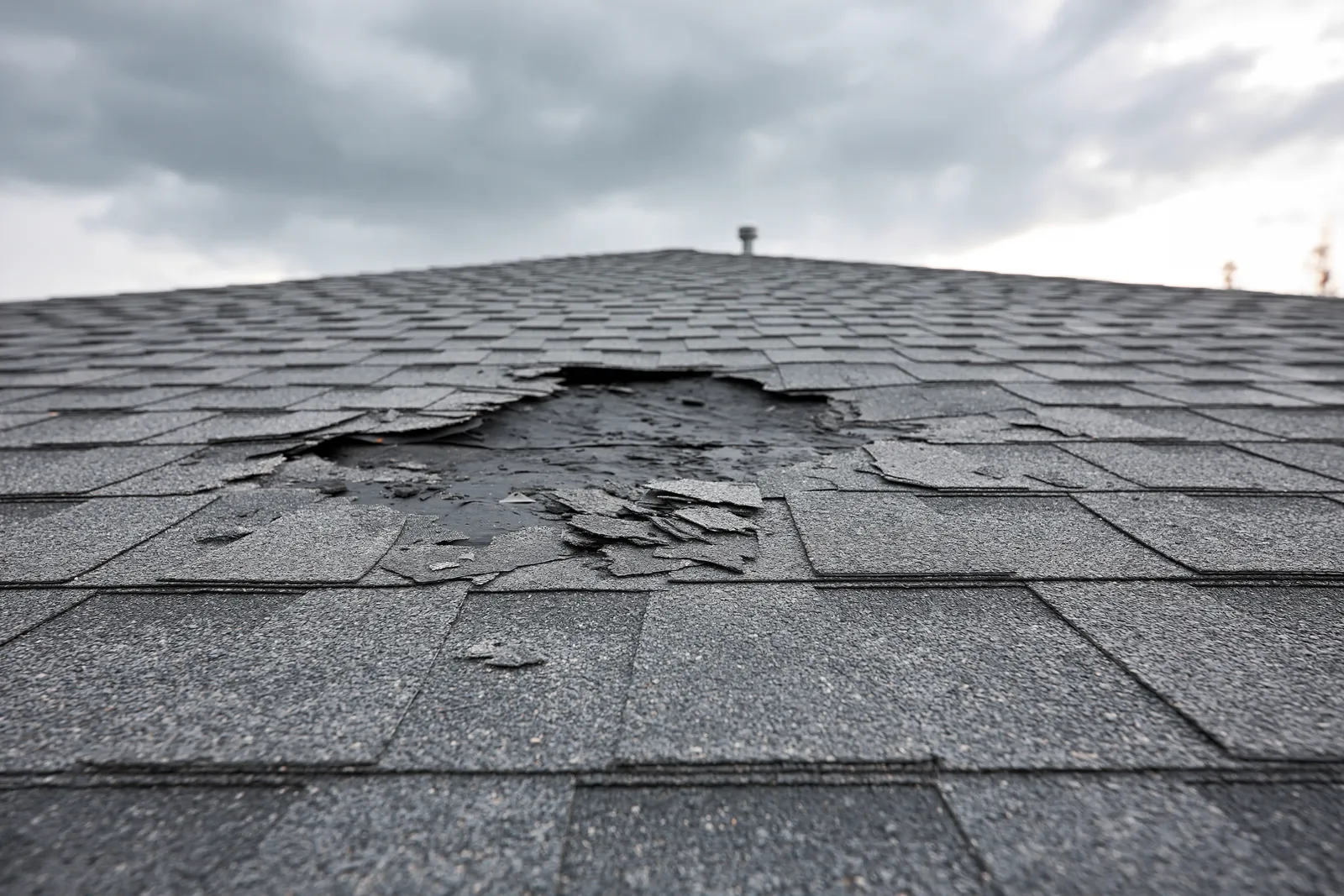
What the storm documentation covers.
Built to the standard an insurance review expects, whether or not you file.
- 01Marked test squares
- Strikes counted per measured square so damage density is a number, not a vibe
- 02Slope-by-slope photo log
- Each plane documented separately, since hail rarely hits them evenly
- 03Soft-metal evidence
- Dents on vents, gutters, and flashings logged as impact corroboration
- 04Wind damage check
- Creased, lifted, and missing shingles recorded alongside the hail read
- 05Date-matched context
- Findings lined up against the NOAA county events for the storm in question
- 06The packet, handed over
- Photos and counts in your hands for the claim decision that is yours to make
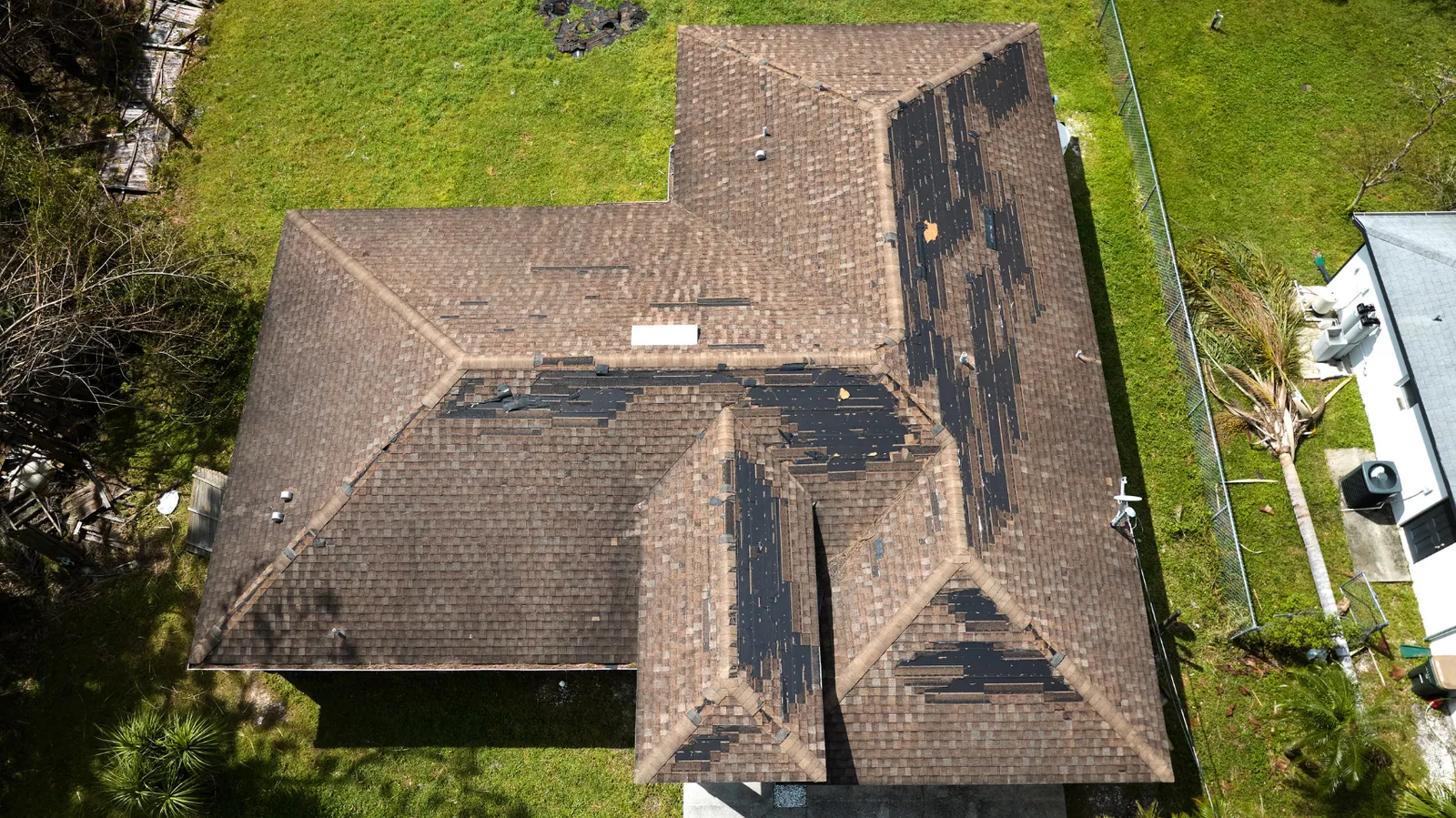
Texas law also protects you here: a contractor cannot offer to pay or absorb your insurance deductible, and anyone who does is waving a red flag. The storm record and cost guide can both inform the decision.
After a storm, what actually matters.
Ground-level clues worth noting, though the reliable read happens on the roof.
- Granules piling at downspout outlets after the storm passes
- Dents in gutters, downspouts, or the soft aluminum of vents
- Shingle tabs in the yard, or shingles creased where wind folded them back
- Neighbors with adjuster trucks out front after the same storm cell
- Screens, paint, or window wraps peppered on one side of the house
- A leak that first appeared months after a big hail date, not days
None of this proves or disproves roof damage on its own. A documented inspection is free and settles it with photographs.
Storm and claim questions.
What Frisco homeowners ask after the county takes another hail day.
Q1How big does hail need to be to hurt a Frisco roof?
Q2How long do I have to file a hail claim in Texas?
Q3A door-knocker says my roof is totaled. Now what?
Q4Should the roofer be there when the adjuster comes?
Q5What if the damage turns out to be minor?
Get the storm read on paper.
A local roofer measures the damage slope by slope and hands you the photo record. You decide about the claim on evidence, in your own time, with no one hovering.