Serving FriscoFree inspections
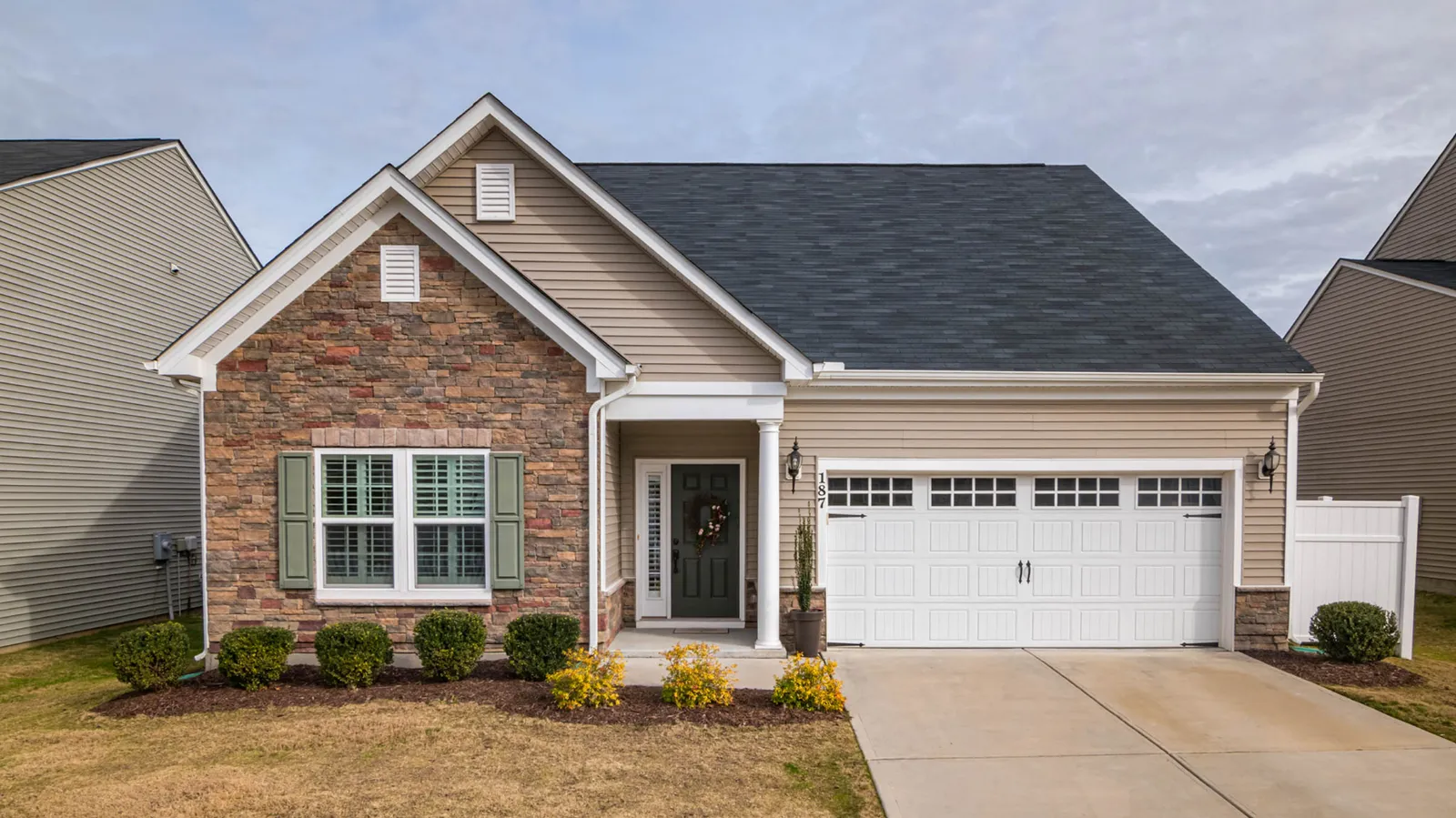
Ranch home of stone and siding beneath a dark gray asphalt shingle roof
Frisco roofing materials

Roofing Materials in Frisco, TX

Every roofing pitch is about the ten percent you can see. This page is the other ninety: the underlayment, membrane, flashing, and ventilation that decide whether the visible part reaches its rated life.

24Hail days on the Collin County record
3"Largest hail logged near Frisco
81 mphPeak wind gust on the record

Storm figures: NOAA / NCEI Storm Events Database, Collin County, on the record.

Get your estimateFree, honest, and on the roof in person.
​The catalog

The parts nobody photographs.

A roof is six components doing six jobs, and the shingle is only the weather face. Under it: a synthetic underlayment across the whole deck, self-adhered membrane where water concentrates, formed metal at every transition, and a ventilation pair that keeps a Texas attic from cooking the field from below.

Those hidden lines are where bids quietly diverge, because they are where money disappears without changing the street view. The catalog below names each part and its job, so when an estimate itemizes them, you can read it, and when a bid omits them, you notice. The visible tiers get their own shingle guide.
White ranch home with a covered porch and brown shingle roof
Parts catalog

The six-part catalog.

Each component with its job and its spec. This is the checklist an itemized Frisco estimate should cover.

01

3-Tab Shingles

The single-layer entry shingle. Cheapest per square, shortest life, and the least margin against Collin County hail. Fits a shed or a strict budget, rarely a Frisco home.

ConstructionSingle flat layer
Typical life15 to 20 yrs
Wind ratingLowest of the tiers
Where it fitsSheds, tight budgets
02

Architectural Shingles

The laminated, two-layer shingle on most Frisco streets: real depth to the profile and a 25-to-30-year service life at the middle of the price band.

ConstructionLaminated, dimensional
Typical life25 to 30 yrs
Wind ratingCommonly 110 to 130 mph
Where it fitsMost Frisco homes
03

Designer Shingles

The premium tier, cut and shadowed to read as slate or shake from the street. You are paying for the look and the weight, not automatically for hail toughness.

ConstructionHeavy multi-layer
Typical life30+ yrs
Wind ratingHigh, varies by product
Where it fitsLarge, visible rooflines
04

Class 4 Impact-Rated Shingles

A toughness rating, not a look. Class 4 is the top score on the standard steel-ball drop test, available in the architectural and designer styles, and it can earn a premium credit from some Texas insurers.

What it measuresImpact toughness, not style
The ratingTop class of the drop test
Available looksArchitectural and designer
Possible bonusAsk your insurer about credits

* Warranty and insurance figures vary by product and carrier and are confirmed in writing before work starts. The manufacturer warranty depends on the system the roofer installs.

Compared

Asphalt and steel, decision by decision.

The two field materials Frisco homes actually choose between, compared on the questions that decide it.

Decision
Architectural asphalt
Standing-seam steel
Up-front spend
The value baseline
Roughly double the baseline
Cycles per house
Two to three roofs over a long ownership
Often the last roof you buy
County hail
Bruises; Class 4 versions resist far better
Dents cosmetically, rarely opens
Texas heat
Ages fastest on unvented attics
Reflects more, moves on clips by design
Repair logic
Patches match easily from stock
Panel work needs the right trade

Both ride the identical stack of underlayment, membrane, and flashing. Typical Collin County figures, firmed up in your written estimate.

Questions

Materials questions.

What Frisco homeowners ask about the stack.

Q1Which roofing material is best for Texas weather?
For most Frisco homes, architectural asphalt with a Class 4 rating covers the realistic threat model at the best price; standing-seam steel wins for owners buying decades instead of years. The honest answer is the comparison itself, which the table above runs decision by decision.
Q2What is underlayment, and why does the type matter?
It is the sheet between the deck and the shingle, the roof behind the roof. Modern synthetics resist tearing and shed water far better than the old felt they replaced, and they are cheap at install time. Bids economize here because the difference is invisible until wind lifts a shingle.
Q3Why does a Texas roof need an ice-and-water style membrane?
The membrane is about driven rain, not ice. County storms push water sideways and uphill into valleys and around penetrations, and a self-adhered membrane in those paths is the difference between an event and a leak. Its placement should be named in the scope.
Q4Should flashing be replaced with the roof, or reused?
Replaced. Flashing fatigues at the bends and its sealant ages out on the old roof's schedule, so burying yesterday's metal under a new field plants a leak with a delay timer. New flashing is a small line on the estimate and a large share of the roof's future reliability.
Q5Does attic ventilation really affect the roof above it?
Directly. A starved attic runs hot enough to age shingles from underneath and holds the moisture that rusts fasteners and swells decking. Balanced intake and exhaust are part of a correct install, and most manufacturers make their warranty terms contingent on it.
Estimate

Get the full stack itemized.

A local roofer specs all six components for your roof and writes them down with one figure. Every layer named, nothing left to assumption.

Get your estimateFree, honest, and on the roof in person.
Free Quote